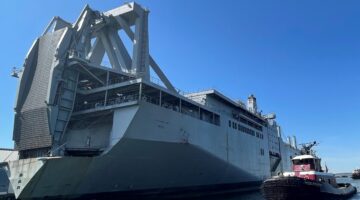
Logistics is the Achilles’ heel of China deterrence
In this op-ed, Eyck Freymann and Harry Halem lay out three areas where action is needed to avoid a logistical catastrophe in deterring China.
In this op-ed, Eyck Freymann and Harry Halem lay out three areas where action is needed to avoid a logistical catastrophe in deterring China.
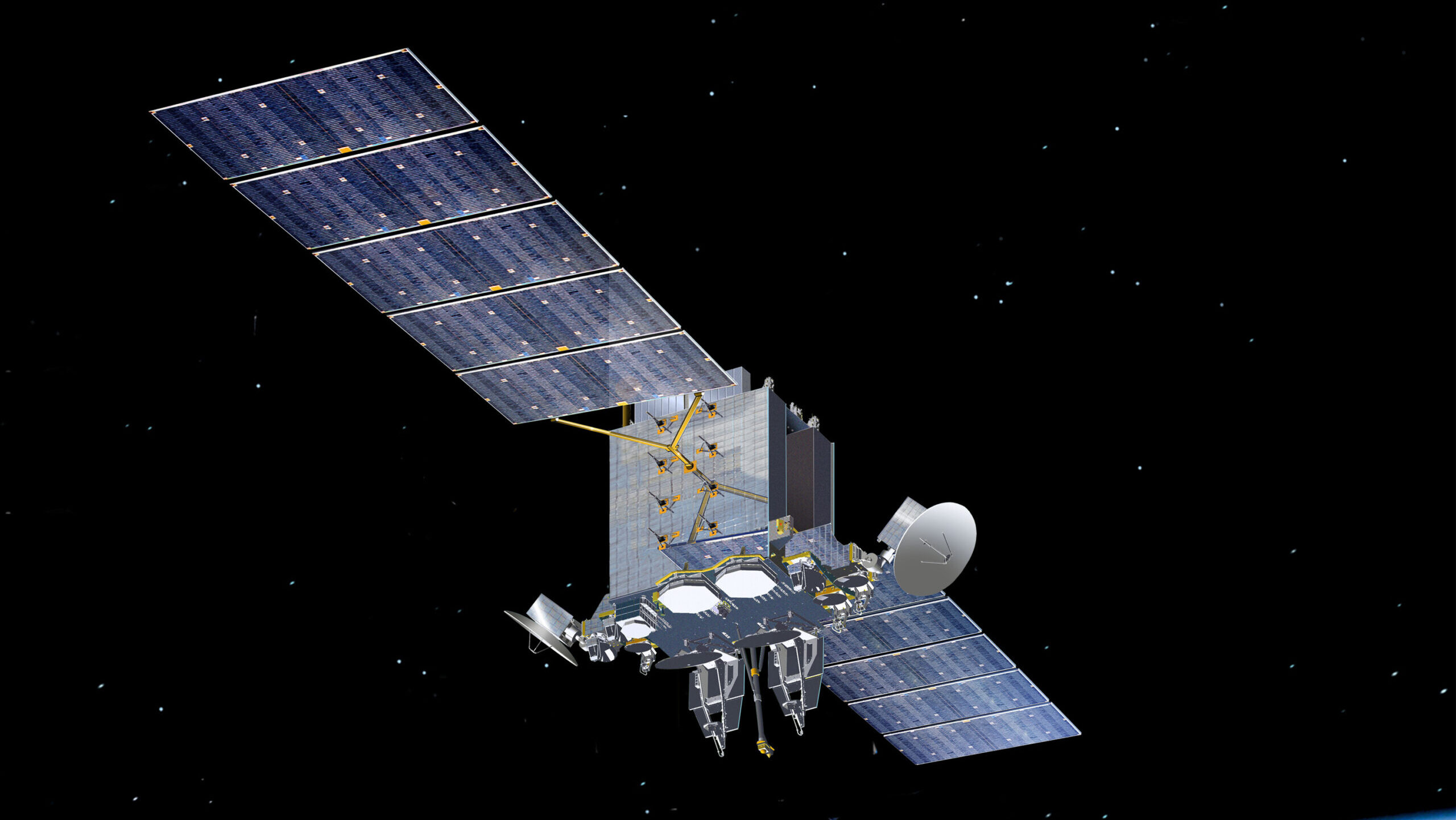
The study notes that NC3 is one of the least understood of the many parts that make up the US nuclear weapons architecture, in part because of the high levels of secrecy that surround it. Thus, it is difficult for policymakers and service leaders to focus needed attention on it.
AI is reshaping the Army’s approach to cyber, electronic warfare and command and control. At TechNet Augusta 2026, leaders outlined how they’re turning emerging technology into capabilities for the battlefield.

"The prospects for complete success in deterrence of hostile attacks on space assets, particularly reversible, nondestructive attacks, are limited," the RAND study cautions.

“We have to have the capability to illuminate" adversarial actions, Berger said. “Some portion of that is so that we can understand how they're setting their pieces for battle. And part of it, frankly, is to bring it to international attention and expose it for what it is.”
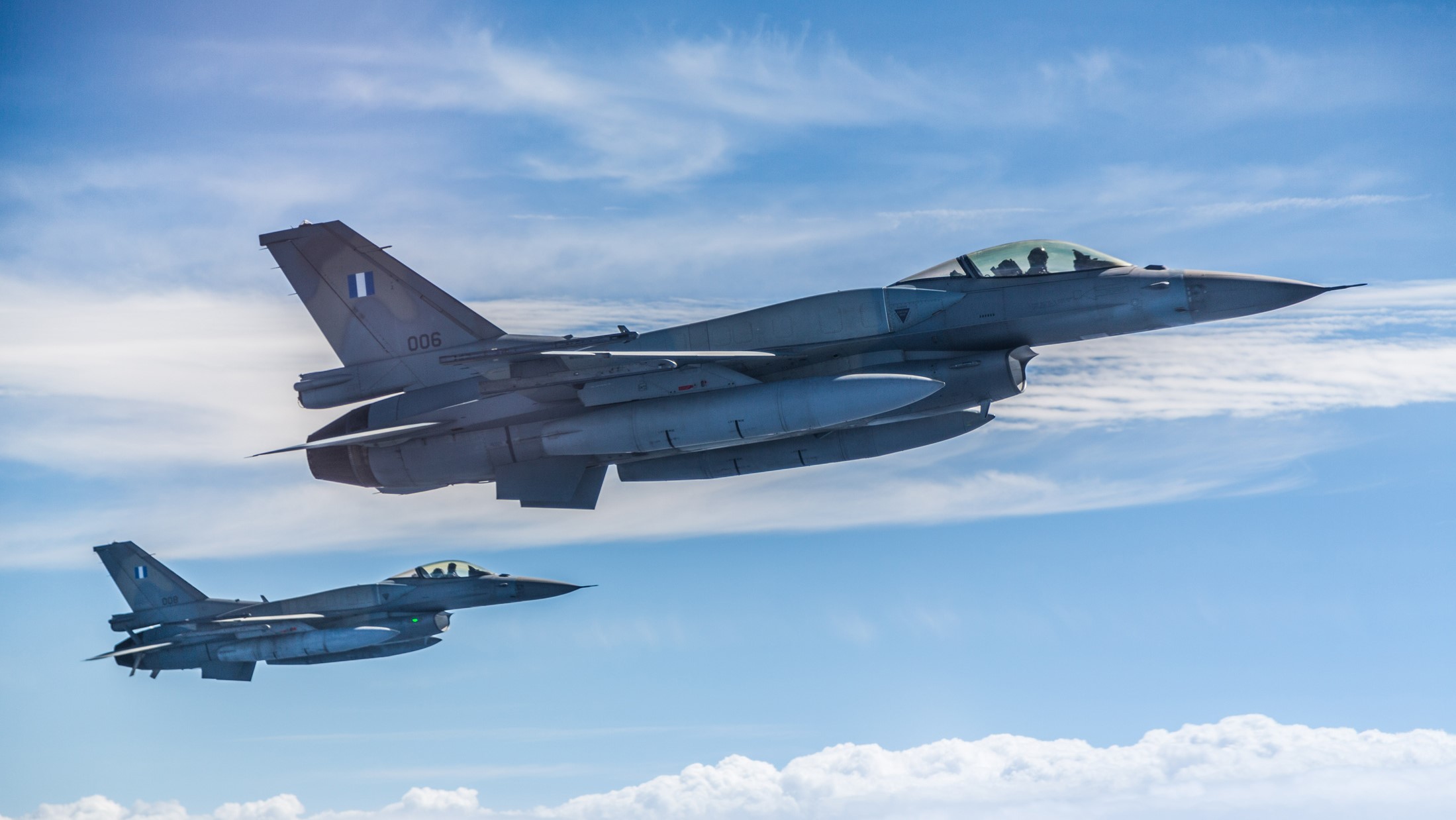
Real deterrence has to be underpinned by military capability, particularly in the skies, author and Atlantic Council expert Scott Cooper writes.

The push to declassify an existing space weapon is being spearheaded by Gen. John Hyten, the vice chairman of the Joint Chiefs of Staff.


A commitment to long-term operational value.

“Rather than primarily focusing on kinetic defeat, for the defense of the homeland, I think we must get further left,” the head of NORTHCOM said Tuesday.

"The growing diversity of the Chinese nuclear threat and its mixing in with conventional forces creates complexity for US commanders. It is also unclear what conditions would lead to PRC nuclear use, since their arsenal is growing and creating more options," Bryan Clark of the Hudson Institute says.

"Right now space is a supporting element to a geographic [component command] ... but that paradigm is going to flip over time, where the supported command -- the primacy, where the actions will happen first -- is going to be space," says Lt. Gen. Joseph Guastella, head of Air Force Central Command.

Vice Adm. David Kriete, deputy STRATCOM commander: “Strategic deterrence is active deterrence; it’s very dynamic.”


AI tools are critical components of modern warfare, but must be protected to ensure they are reliable.

Missing in the national security space conversation, says Aerospace Corporation's Russ Rumbaugh, is how space operations can and should fit with diplomacy and foreign policy. Instead, he said, the debate is solely about "how do I win the war I see."

The National Defense Strategy does a service by getting the diagnosis right. But that is only the first step. To get the right prescription—the defense program—we will have to develop the operational concepts that link the ends sought with the means we can procure to achieve them.
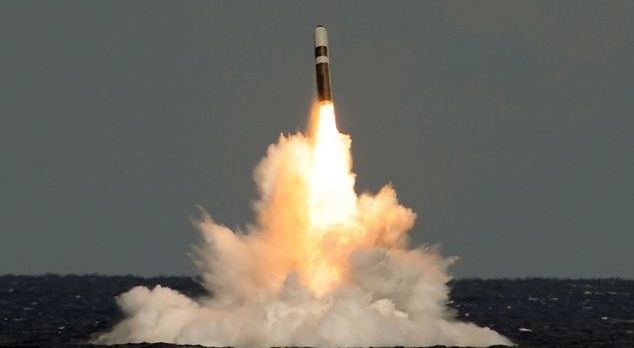
PENTAGON: The United States government sees a fundamentally more threatening world today, one that requires a more nuanced balance of delivery systems than we’ve deployed since the end of the Cold War. That’s really the change that has driven the results of the Trump Administration’s Nuclear Posture Review, officially released today. Careful transparency continues to […]
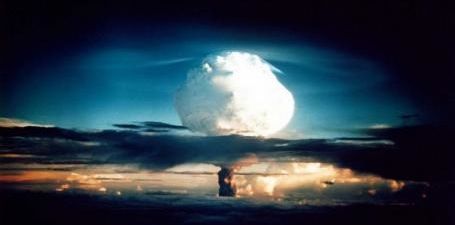
If we’re lucky, the fourth Nuclear Posture Review (NPR) will encourage a reawakening of strategic analysis and renewed efforts to assess the role of nuclear weapons in US national security. If we’re not, and this is more likely, we’ll find ourselves awash in time-worn arguments about assured destruction, limited war, arms limitation, modernization, and morality. […]